
U.S. Sued By New Mexico Over Nuclear Waste Storage Plan
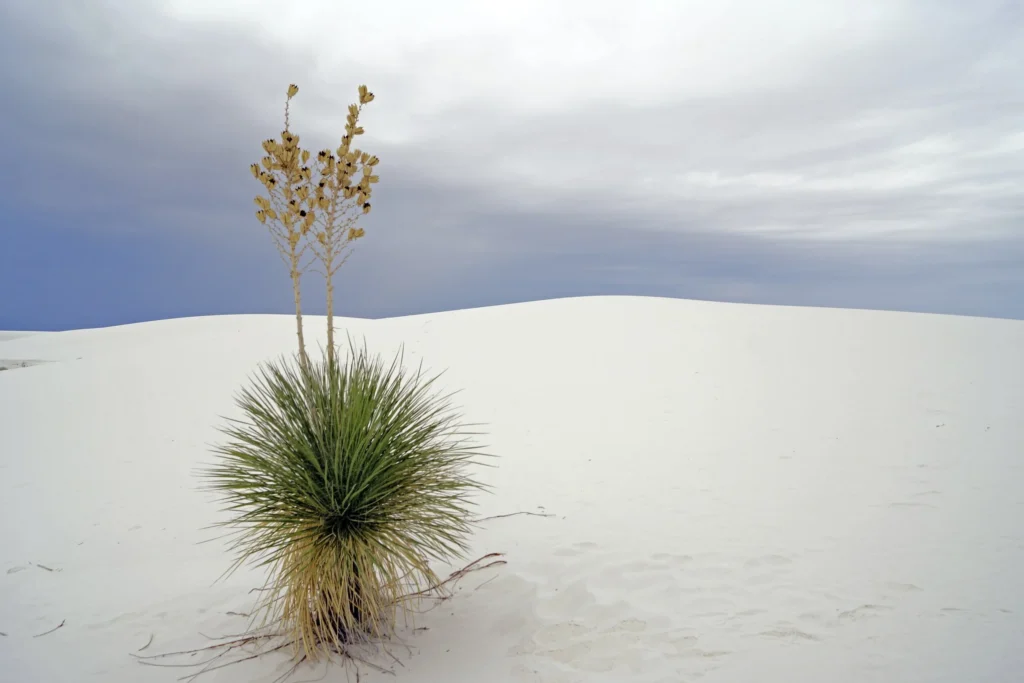
The state cited the potential for surface and groundwater contamination, disruption of oil and gas development in one of the nation’s most productive basins and added strain on emergency response resources. The state also raised concerns about a similar project planned just across the state line in West Texas.
Craddick Views Landgraf’s Nuclear Waste Bill as Problematic
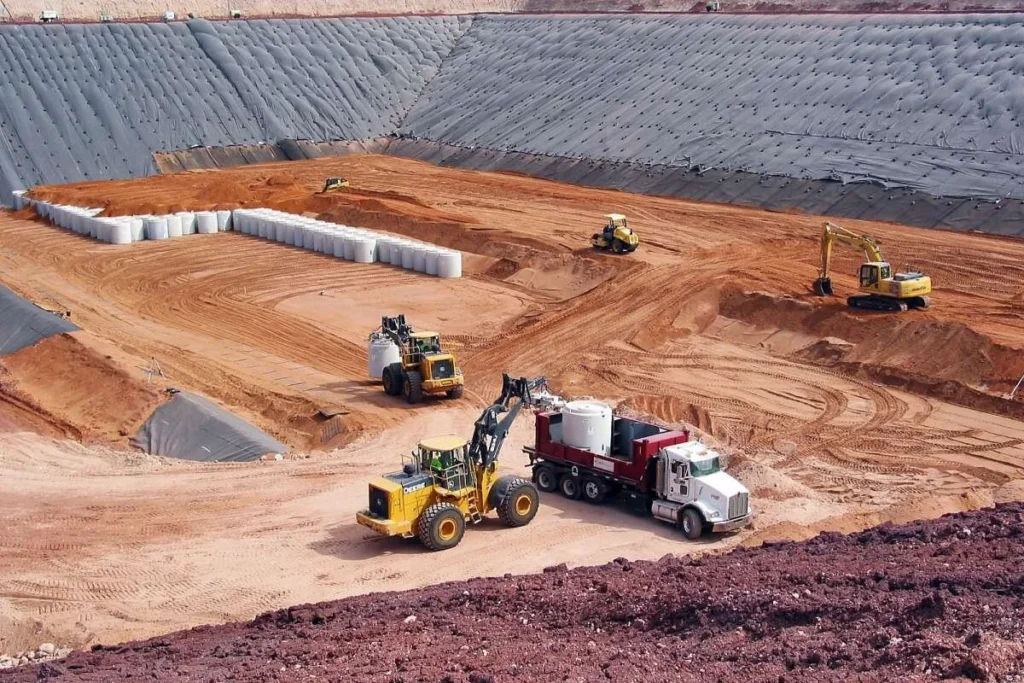
State Rep. Tom Craddick sent a letter to House Committee on Environmental Regulation members that states he has “grave concerns” about Brooks Landgraf’s radioactive waste bill – House Bill 2692.
What is Chloride-Induced Stress Corrosion Cracking?
Chloride-Induced Stress Corrosion Cracking (CISCC) is a degradation mechanism that can affect stainless steel canisters used to store spent nuclear fuel. This article explains how chloride-rich environments, material stress, and long-term exposure can contribute to cracking, and why researchers continue to study the risks and implications for nuclear waste storage systems.
Overview of Licensing
Understanding the nuclear waste licensing process is essential to evaluating proposed storage and transportation projects. This overview explains the key regulatory agencies, licensing requirements, review procedures, and opportunities for public participation that shape decisions on nuclear waste facilities.
Nuclear Waste Transportation and Railroad Accidents
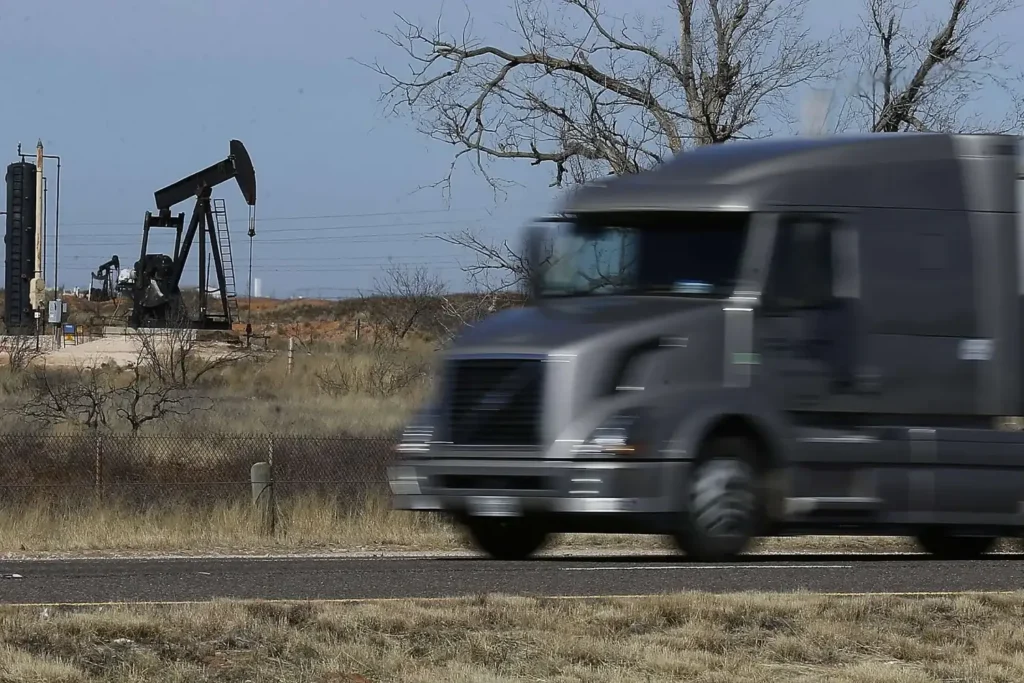
Explore the safety concerns surrounding nuclear waste transportation by rail and the potential risks associated with railroad accidents.
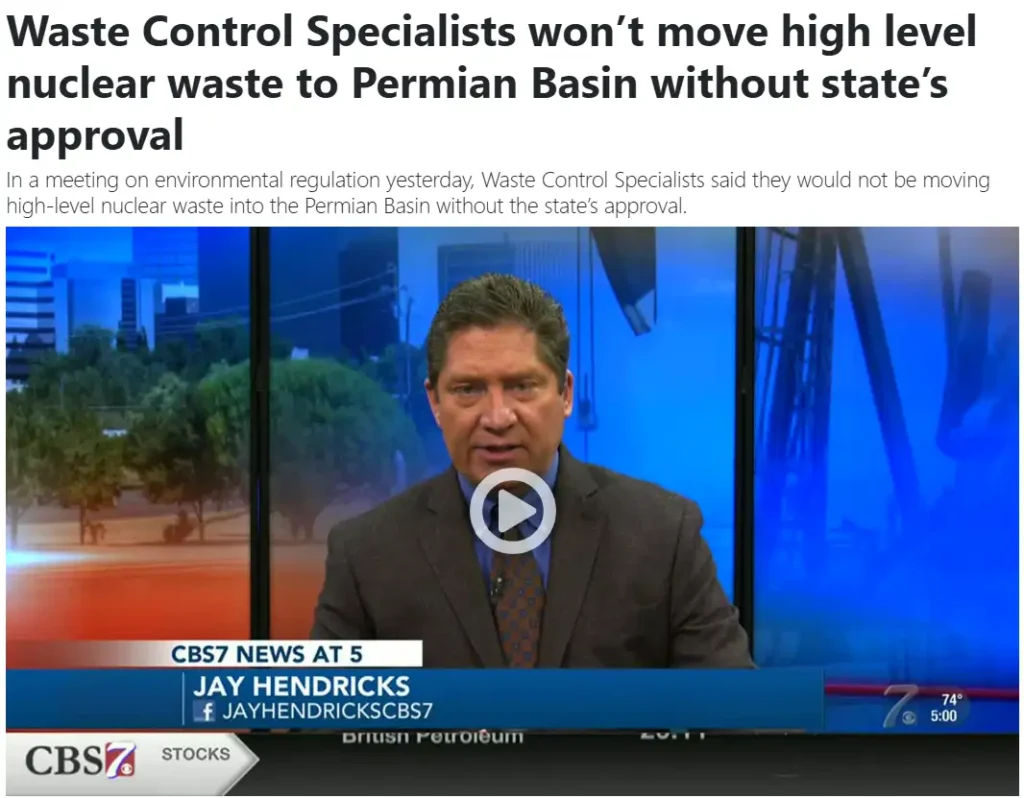
WCS Won’t Move Nuclear Waste to Permian Basin Until Approved
In a meeting on environmental regulation yesterday, Waste Control Specialists said they would not be moving high-level nuclear waste into the Permian Basin without the state’s approval.
Why Heads of U.S. Nuclear Industry Approve of Reprocessing
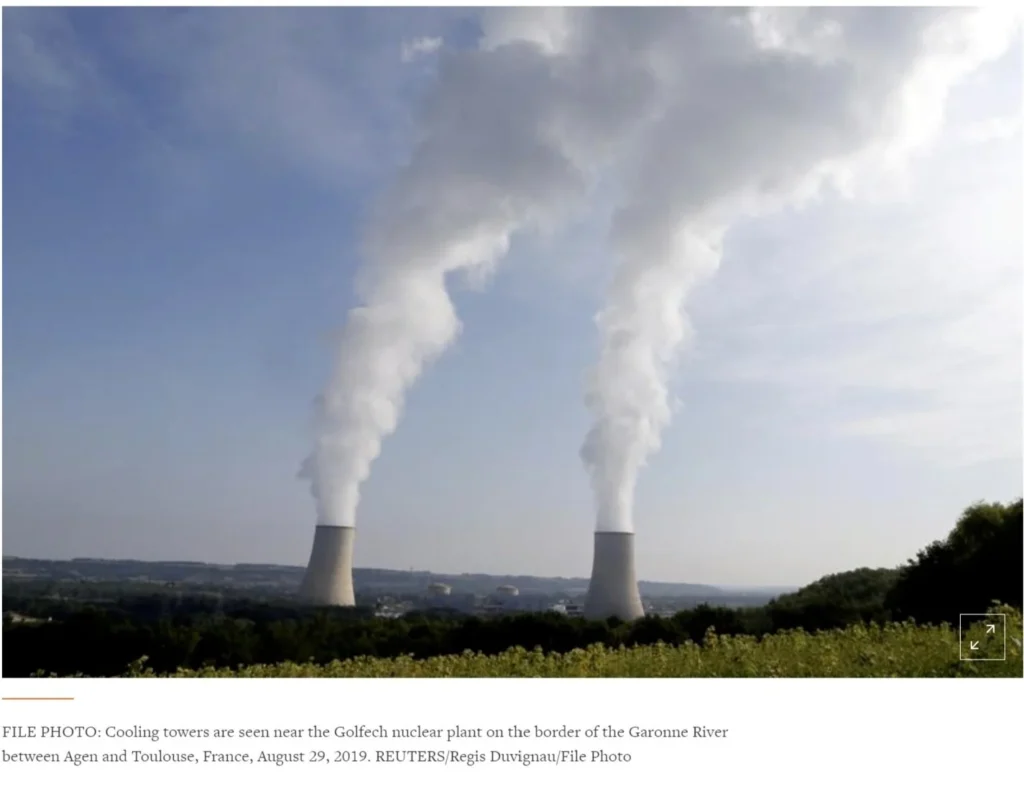
The head of the top U.S. nuclear power group said that reprocessing of nuclear waste, a technique that has not been practiced in the United States for decades because of proliferation and cost concerns, could help address a growing problem building up at nuclear plants across the country.
Why Nuclear Storage Materials May Have Corrosion Issues
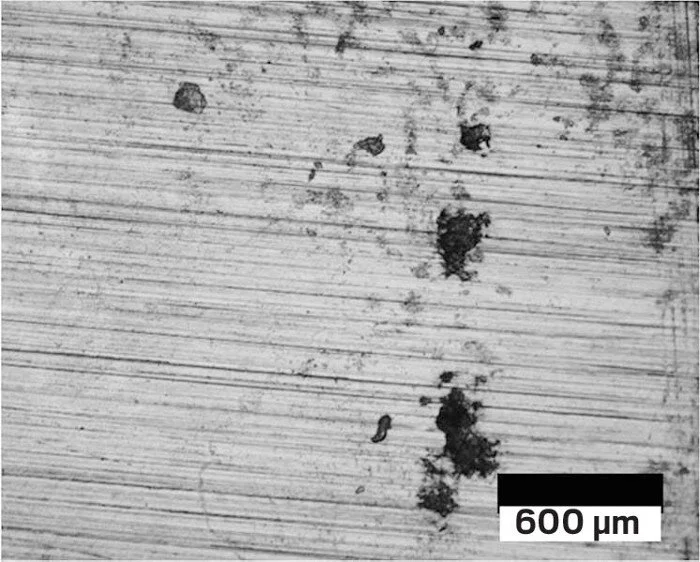
Many countries including the US plan to store nuclear waste in underground repositories. But scientists might not have a complete picture of the safety of the storage materials involved in these plans, according to a new study. The report demonstrates that interactions between the different materials used for these storage systems could accelerate their corrosion when they are exposed to water, increasing the chance of the radioactive waste leaking into the environment.
Why The Timescales Of Nuclear Waste Disposal Are Shocking
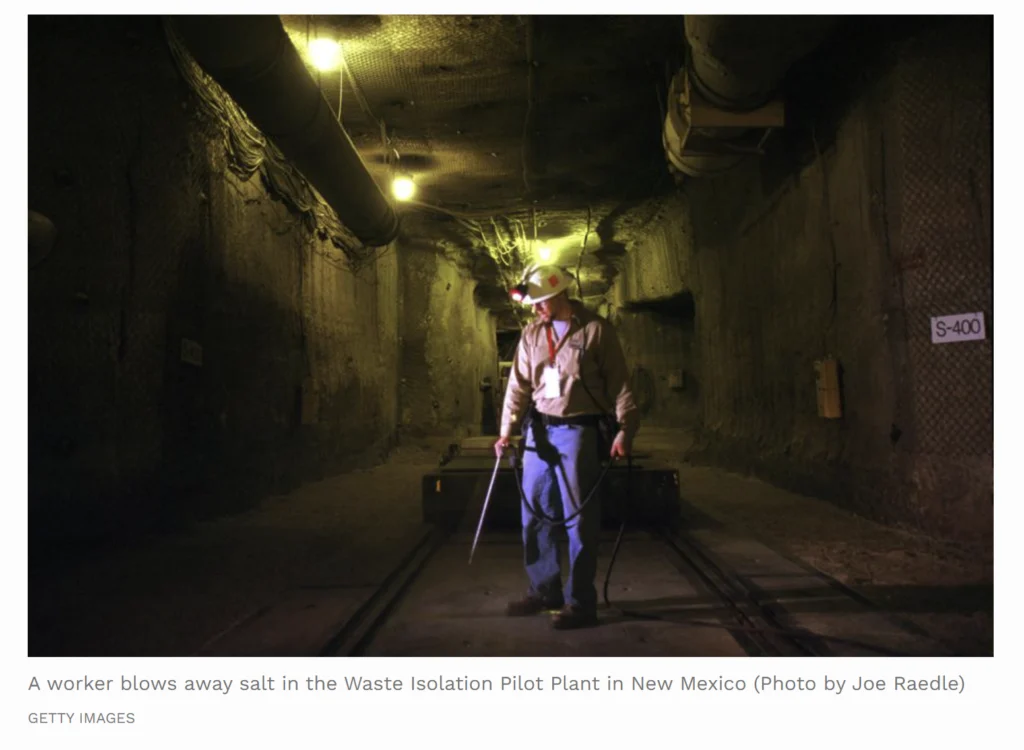
Yet existing and planned nuclear waste sites operate on much shorter timeframes: often 10,000 or 100,000 years. These are still such unimaginably vast lengths of time that regulatory authorities decide on them, in part, based on how long ice ages are expected to last.
Why Reprocess To Reuse Is Critical For Nuclear Waste
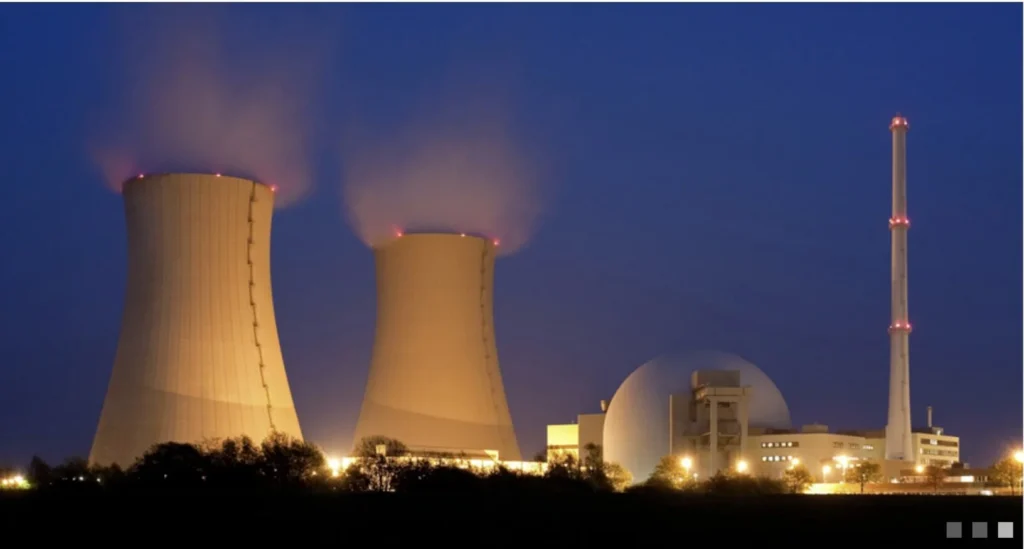
Undeniably, nuclear is an abundant source of energy with potential to address energy security concerns of the entire humanity for a prolonged period of time; but serious attention is required for the eventual elimination of nuclear waste that are piling up in temporary storages.