
What is Chloride-Induced Stress Corrosion Cracking?
Chloride-Induced Stress Corrosion Cracking (CISCC) is a degradation mechanism that can affect stainless steel canisters used to store spent nuclear fuel. This article explains how chloride-rich environments, material stress, and long-term exposure can contribute to cracking, and why researchers continue to study the risks and implications for nuclear waste storage systems.
Overview of Licensing
Understanding the nuclear waste licensing process is essential to evaluating proposed storage and transportation projects. This overview explains the key regulatory agencies, licensing requirements, review procedures, and opportunities for public participation that shape decisions on nuclear waste facilities.
Nuclear Waste Transportation and Railroad Accidents
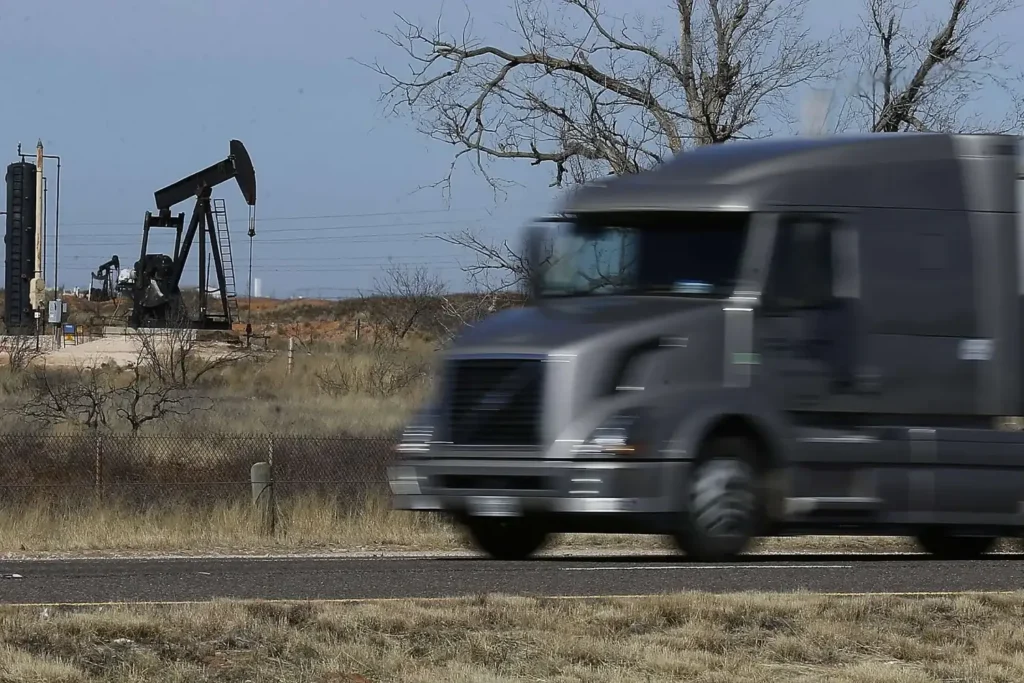
Explore the safety concerns surrounding nuclear waste transportation by rail and the potential risks associated with railroad accidents.